WordPress vs PrestaShop: Which One is Right for You?
July 1, 2026 Written by Nitish Kumar


July 1, 2026 Written by Nitish Kumar


When comparing WordPress vs PrestaShop for e-commerce, the best platform depends on the type of online store you want to build. Your eCommerce platform influences everything from product management and SEO to site performance, customer experience, and how easily your business can grow in the future.
WordPress, combined with WooCommerce, is a flexible solution that works well for businesses that want to balance content marketing with online selling. It gives you complete control over your website, access to thousands of plugins, and powerful SEO capabilities. PrestaShop is built specifically for e-commerce and offers advanced features for inventory management, multi-store operations, and large product catalogs without relying heavily on additional extensions.
In this guide, we’ll compare WordPress vs PrestaShop for e-commerce using real-world business scenarios instead of just listing features. Whether you’re launching your first online store or planning to migrate to a more scalable platform, you’ll understand which solution better matches your budget, technical expertise, and long-term business goals.
WordPress is the world’s most popular content management system, powering over 40% of websites across the internet. Although it began as a blogging platform, the introduction of WooCommerce has turned it into a powerful and flexible eCommerce solution for businesses of all sizes.
In the PrestaShop vs WordPress WooCommerce comparison, WordPress stands out because it combines website management, content marketing, and online selling in one platform. This makes it a great choice for businesses that want to grow their brand while driving sales through SEO and valuable content.
WordPress is especially well-suited for businesses that want more than an online store. It gives you the flexibility to combine e-commerce, content marketing, SEO, and customer engagement on a single platform, making it easier to grow your business over the long term.
PrestaShop is an open-source platform built specifically for e-commerce. Unlike WordPress, it is designed for selling products rather than managing blogs or general-purpose websites. Its primary focus is helping businesses manage online stores with built-in commerce features from the start.
For businesses comparing WordPress vs PrestaShop for e-commerce, PrestaShop is often a good fit for stores that need advanced product management, multiple storefronts, and international selling capabilities without relying heavily on third-party extensions.
PrestaShop is best suited for businesses that need a dedicated e-commerce platform with advanced store management features and expect their online operations to become more complex over time.
WordPress: When paired with WooCommerce, WordPress offers a budget-friendly way to launch an online store. The core software is free, domains cost around $12 per year, and hosting starts from $3.95 per month. Even with premium themes, plugins, and maintenance, most small stores can run for $100–$400 per year, making it a cost-effective choice for growing businesses.
PrestaShop: PrestaShop is free to download, but running a fully featured store usually costs more. Hosting often starts at $5–$10 per month, while premium themes, paid modules, and custom development can quickly increase your budget. For advanced stores, annual costs can easily range from $1,000–$5,000 or more.
Winner: WordPress. It provides a lower total cost of ownership, affordable extensions, and the flexibility to scale your online store without requiring a significant upfront investment.
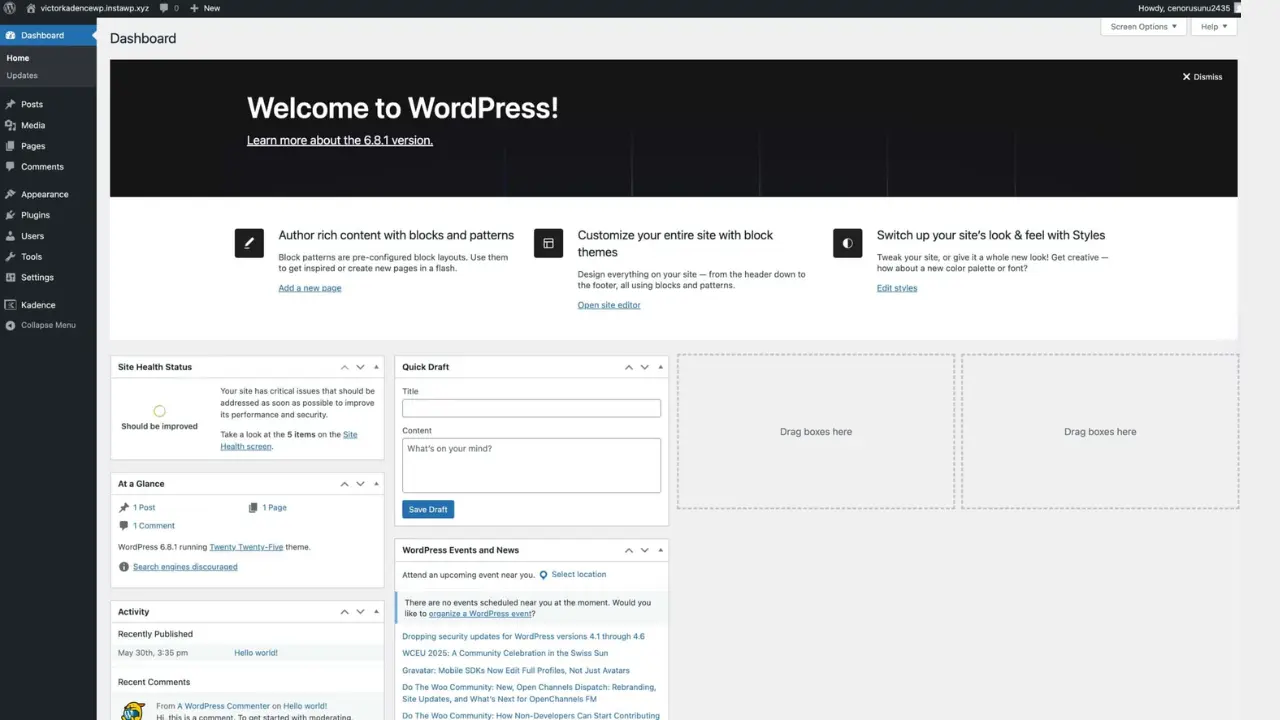
WordPress: WordPress is beginner-friendly and easy to learn, especially when paired with WooCommerce. Its intuitive dashboard, drag-and-drop page builders, and large collection of tutorials make it simple to create and manage an online store, although setting up WooCommerce may require a little initial learning.
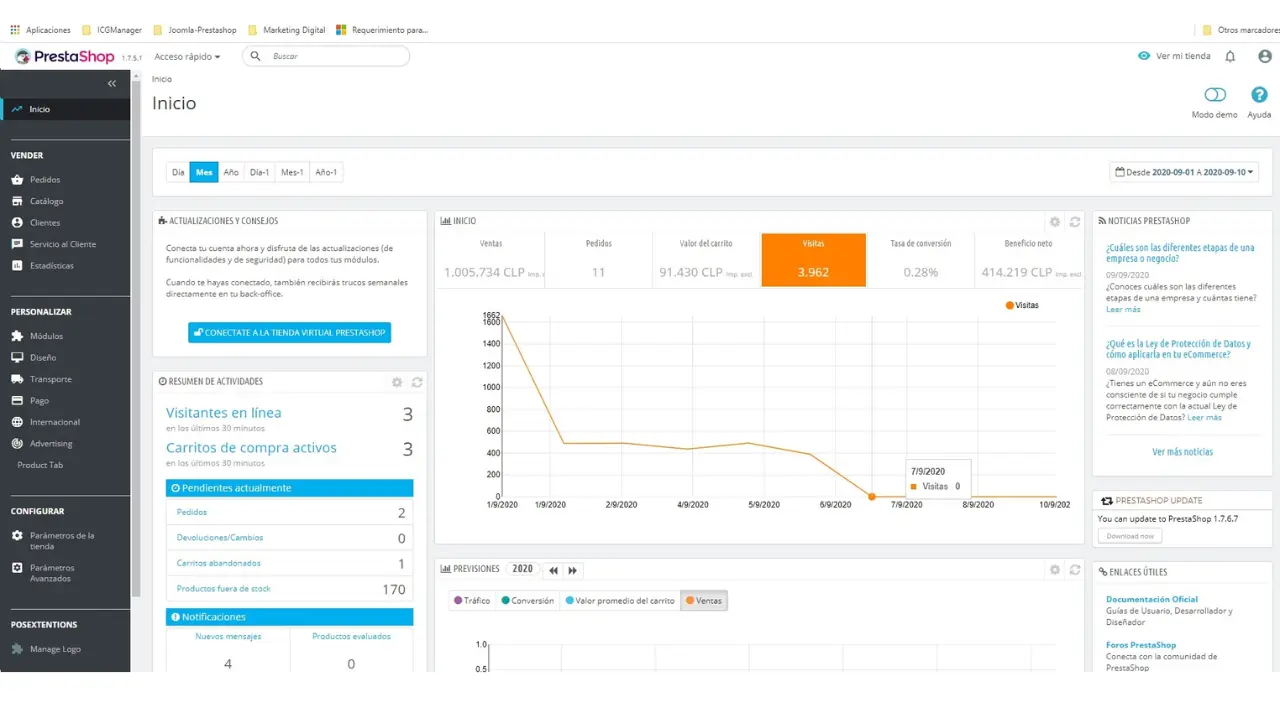
PrestaShop: PrestaShop includes powerful built-in eCommerce features such as inventory management, product catalogs, and payment options. However, the initial setup and configuration can feel more complex, particularly for users without technical or development experience.
Winner: WordPress. Its user-friendly interface, extensive documentation, and easier learning curve make it the better choice for most beginners and small business owners.
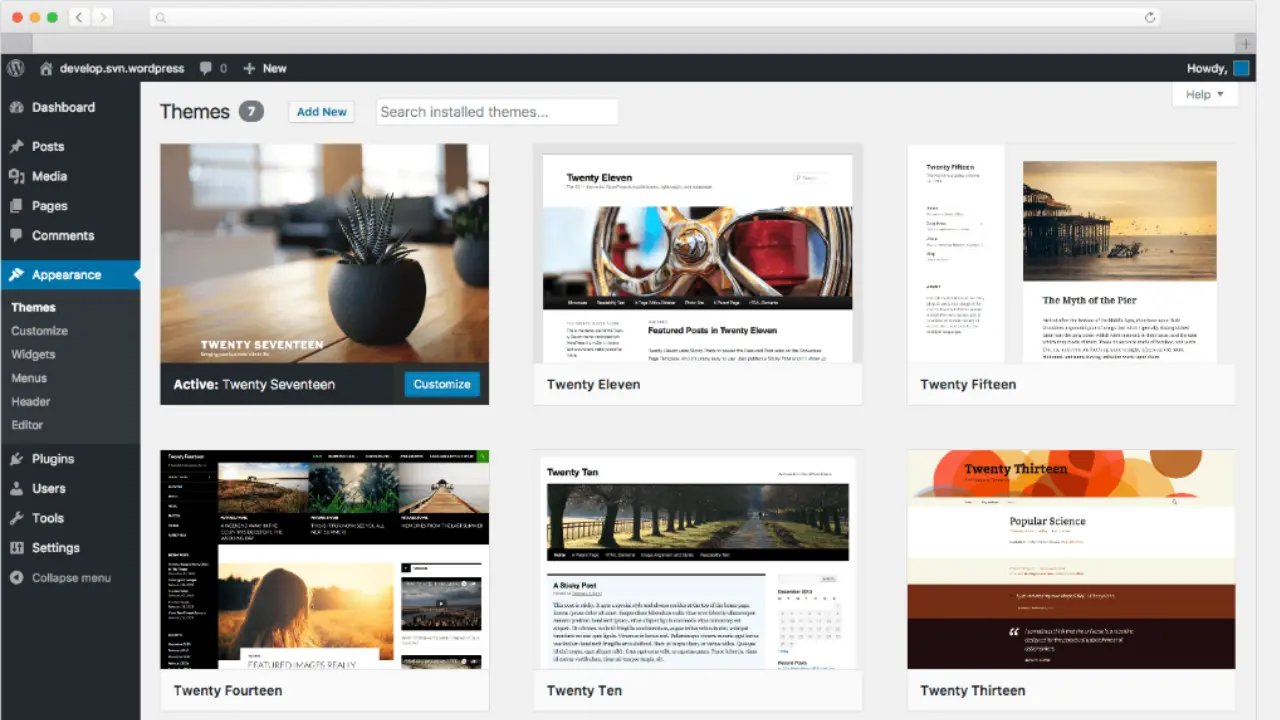
WordPress: WordPress offers thousands of free and premium themes, making it easy to create a website that matches your brand without starting from scratch. You can further customize the design using page builders like Elementor or custom code, giving you complete creative control.
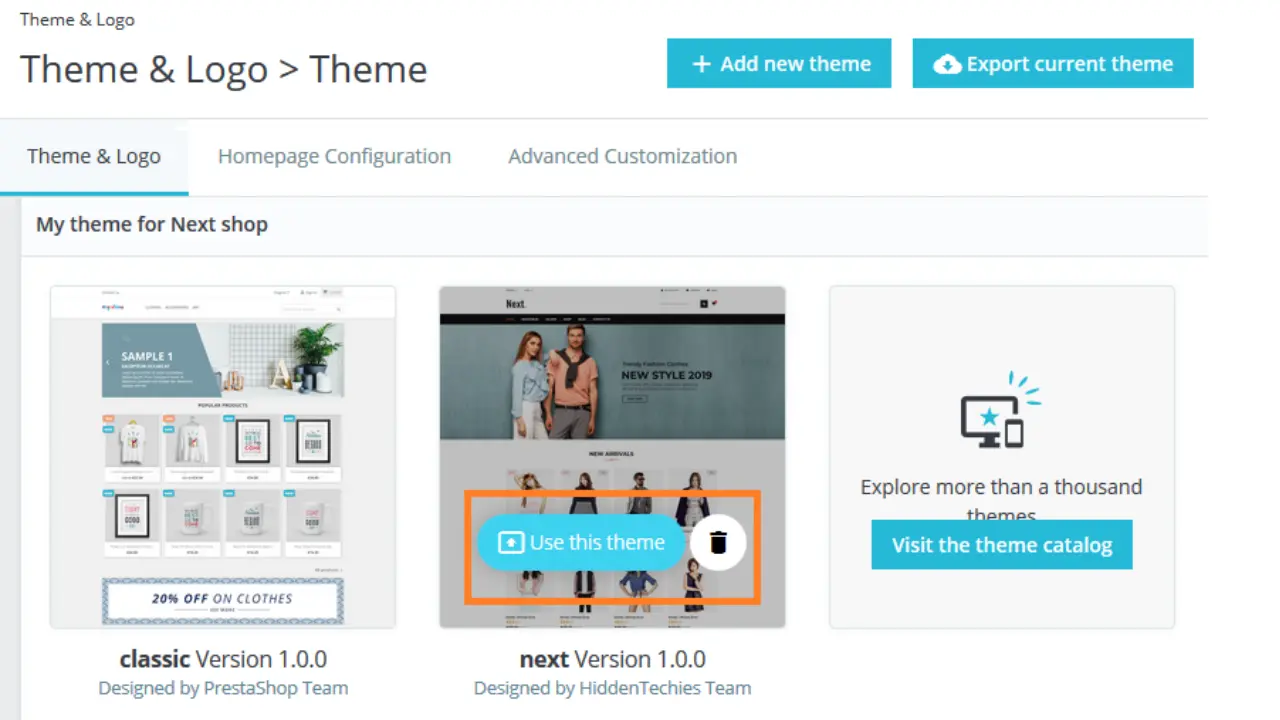
PrestaShop: PrestaShop also provides a variety of eCommerce-focused themes, but the selection is smaller than WordPress. While the designs are optimized for online stores, advanced customization often requires paid themes or developer assistance.
Winner: WordPress. Its larger theme library, greater design flexibility, and beginner-friendly customization tools make it the stronger choice for most businesses.
WordPress: WordPress is known for its unmatched flexibility. With thousands of themes and plugins, you can easily add features such as payment gateways, contact forms, memberships, SEO tools, and design customizations without rebuilding your website from scratch. It also gives developers complete freedom to create custom functionality when needed.
PrestaShop: PrestaShop also offers a good level of customization through themes and modules. However, many advanced features require paid add-ons or custom development, which can increase both the cost and complexity of managing your store.
Winner: WordPress. Its extensive plugin ecosystem, developer-friendly architecture, and virtually unlimited customization options make it the more flexible platform for most businesses.
WordPress: WordPress can deliver excellent performance, but it depends on proper optimization. Using quality hosting, caching plugins, image optimization, and a lightweight theme helps keep your website fast, even as traffic grows. Without these optimizations, performance may decline on larger sites.
PrestaShop: PrestaShop is built specifically for eCommerce, so it performs well with large product catalogs and high transaction volumes. Its streamlined architecture allows many online stores to achieve solid performance with fewer optimizations than a typical WordPress setup.
Winner: PrestaShop. Its eCommerce-focused architecture provides stronger out-of-the-box performance, especially for stores with large inventories and complex product management.
WordPress: WordPress scales well for small and medium-sized businesses, and with the right managed hosting, caching, and performance optimization, it can handle high traffic efficiently. As your business grows, you can expand your website using plugins, custom development, and scalable hosting solutions.
PrestaShop: PrestaShop is designed with large eCommerce operations in mind. It includes built-in features such as multi-store management, advanced inventory control, and detailed analytics, making it a strong choice for businesses managing multiple stores or large product catalogs.
Winner: PrestaShop. Its enterprise-focused features and built-in scalability make it better suited for large, complex eCommerce businesses.
WordPress: WordPress security depends on using reliable hosting and keeping the core software, themes, and plugins updated. Security plugins like Wordfence or Sucuri, combined with regular backups and strong login protection, help safeguard your website against common threats. It also benefits from a large global community with extensive documentation and support resources.
PrestaShop: PrestaShop includes built-in security features for online stores, but secure hosting, regular updates, and proper server configuration remain essential. Since it processes customer accounts and transactions, following security best practices is critical. Support is available through its community, official documentation, and certified partners.
Winner: Tie. Both platforms can be highly secure when properly maintained with reliable hosting, regular updates, and strong security practices.
WordPress: WordPress integrates with thousands of plugins and third-party services, making it easy to connect payment gateways, CRM platforms, email marketing tools, analytics, and automation software. Most integrations can be added without writing code.
PrestaShop: PrestaShop also supports a wide range of integrations through its marketplace of modules. However, many advanced integrations are premium add-ons, and some may require technical configuration to work efficiently.
Winner: WordPress. Its extensive plugin ecosystem, simpler setup process, and broader integration options make it the more flexible platform for most businesses.
WordPress: With WooCommerce, WordPress offers a complete set of eCommerce features, including product management, secure payments, shipping, coupons, subscriptions, and thousands of extensions. It is highly flexible and works well for businesses that want to combine content marketing with online selling.
PrestaShop: PrestaShop is built specifically for eCommerce and includes advanced features such as inventory management, multi-store support, customer groups, product combinations, and international selling. Many of these capabilities are available without requiring additional plugins.
Winner: PrestaShop. Its built-in commerce tools make it a stronger choice for businesses that need advanced online store management from the start, while WordPress excels in flexibility and content-driven eCommerce.
WordPress: WordPress is widely considered one of the best CMS platforms for SEO. With plugins like Yoast SEO and Rank Math, you can easily optimize metadata, XML sitemaps, schema markup, internal linking, and URLs without needing advanced technical knowledge.
PrestaShop: PrestaShop includes solid built-in SEO features and allows you to customize URLs, metadata, and product pages. However, many advanced SEO improvements require additional modules, making optimization slightly more technical than WordPress.
Winner: WordPress. It offers a more beginner-friendly SEO experience, powerful optimization tools, and greater flexibility for improving search rankings.
| Feature | WordPress | PrestaShop |
|---|---|---|
| Core Software | Free | Free |
| Domain Name | $10–$20/year | $10–$20/year |
| Hosting | $5–$50/month | $5–$50/month |
| Themes | Free or $20–$100 | Free or $60+ |
| Plugins / Modules | Free or $20–$200/year | $20–$300+ per module |
| SSL Certificate | Free with Hosting | Free |
| Maintenance | $0–$500+/year | $100–$1,000+/year |
| Developer Support | Optional for most stores | Often required for advanced customization |
| Estimated Annual Cost | $100–$1,000+ | $500–$5,000+ |
Choosing between WordPress vs PrestaShop isn’t about which platform has more features—it’s about which one aligns with how your business actually operates today and how it needs to grow tomorrow. The right choice depends on your marketing strategy, operational complexity, and internal resources.
If your growth strategy relies on organic traffic, blogging, landing pages, or educational content, WordPress offers a clear advantage. With advanced SEO plugins, flexible URL structures, and full control over on-page optimization, WordPress is built for content-led eCommerce and long-term search visibility.
Businesses managing large product catalogs, advanced stock rules, or multiple storefronts often benefit from PrestaShop’s eCommerce-first architecture. Its native inventory management and operational tools are designed for scale, making it a stronger fit for product-heavy stores.
For teams without dedicated technical staff, WordPress provides a simpler learning curve. Store owners can manage products, publish content, and update pages without relying on developers or paid modules for everyday tasks.
If your business operates across multiple countries, currencies, and tax systems, PrestaShop’s built-in international selling features reduce operational friction. It is better suited for merchants with established global workflows and regional storefront requirements.
When comparing WordPress vs PrestaShop for e-commerce, there isn’t a single platform that fits every business. The better choice depends on your goals, how you manage your store, and how you expect your business to grow over time.
If your strategy focuses on content marketing, SEO, and building a brand alongside your online store, WordPress with WooCommerce is often the smarter long-term investment. It gives you greater flexibility, an easier learning curve, and the freedom to expand your website as your business evolves.
If your business revolves around large product catalogs, advanced inventory management, multi-store operations, or international selling, PrestaShop offers specialized e-commerce tools that can handle more complex retail requirements. However, it typically requires more technical knowledge and ongoing maintenance than WordPress.
For many small and medium-sized businesses, starting with WordPress provides the best balance of affordability, scalability, and ease of management. Pairing it with a high-performance managed hosting platform like Rocon helps you improve speed, security, and reliability, allowing you to focus on growing your business instead of managing your infrastructure.
PrestaShop is not inherently better than WordPress—it is better for specific use cases. PrestaShop is built purely for eCommerce and works well for stores with complex inventory, pricing rules, and large product catalogs. WordPress, when paired with WooCommerce, is more flexible, easier to manage, and stronger for content marketing and SEO-driven growth. The better platform depends on whether your business prioritizes operational complexity or marketing and scalability.
PrestaShop does not natively integrate with WordPress as a single unified system. However, businesses often connect the two using third-party connectors or APIs—typically running WordPress for content and PrestaShop for product management. While this setup is possible, it increases technical complexity and ongoing maintenance. Many businesses instead choose WordPress with WooCommerce to keep content and commerce in one platform.
No platform is universally “better” than WordPress—it depends on your goals. For large-scale enterprise eCommerce, platforms like PrestaShop or Magento may offer deeper inventory control. For SaaS products, Webflow or custom frameworks may be more suitable. However, for most small to mid-sized businesses, WordPress remains one of the most versatile platforms due to its ecosystem, SEO capabilities, and ease of use.
PrestaShop is not a traditional website builder like Wix or Squarespace. It is an open-source eCommerce platform designed specifically for building and managing online stores. While it allows you to create storefronts, it requires more technical setup, theme customization, and ongoing maintenance compared to drag-and-drop website builders.
For small businesses, startups, and solopreneurs, WordPress with WooCommerce is usually the better choice. It is more affordable, easier to manage, and requires less technical expertise than PrestaShop. Plus, its built-in blogging capabilities, SEO tools, and extensive plugin ecosystem make it easier to attract customers and grow your business over time.

Elevate your WordPress hosting with 30-day money-back guarantee, free migration, and 24/7 support.
Sign Up Today

Before You Go… Get 1 Month FREE on Rocon Hosting!

Experience lightning-fast speeds

No downtime or hidden fees

Dedicated 24/7 expert support

Leave a Reply