Laravel vs WordPress: Which is Best for Your Website?
June 25, 2026 Written by Nitish Kumar


June 25, 2026 Written by Nitish Kumar


Choosing between Laravel vs WordPress usually comes down to one thing: what exactly are you building? If your project needs a custom web application with unique workflows, advanced functionality, and full control over the codebase, Laravel is often the stronger option. If you want to launch a blog, business website, or online store quickly without building everything from scratch, WordPress is usually the easier fit.
Laravel is a PHP framework built for developers who want to create custom applications with complete control over architecture, performance, and functionality. WordPress is a content management system designed to make publishing, managing pages, and extending a website much easier through themes and plugins. In other words, Laravel gives you more freedom to build, while WordPress gives you more speed when the goal is to launch a standard website.
That doesn’t mean one platform is always better than the other. The right choice depends on your budget, technical skill, scalability needs, and how much custom development your project actually requires. A content-driven site with blogging, SEO pages, and WooCommerce often makes more sense on WordPress, while a SaaS platform, booking system, or custom portal may be better suited to Laravel.
In this guide, we’ll compare Laravel vs WordPress across performance, ease of use, customization, security, scalability, and real-world use cases so you can choose the platform that fits your project—not just today, but as it grows.
Laravel is an open source PHP framework to make web development faster, more scalable and maintainable. Created by Taylor Otwell in 2011, it follows the Model-View-Controller (MVC) pattern which separates application logic from the user interface, thus making the codebase more organized. Laravel reduces the need to write boilerplate code with built-in tools.
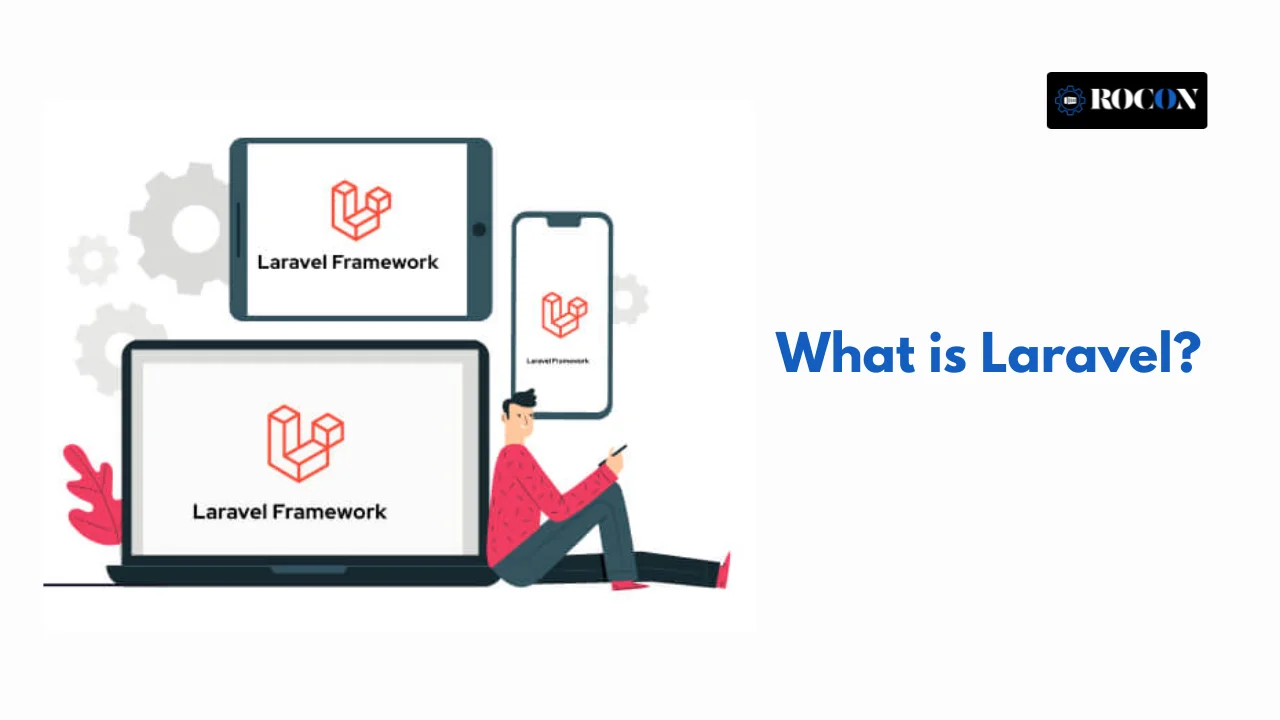 Not like traditional PHP development, Laravel has an elegant syntax and developer-friendly features, that’s why it’s a preferred choice for custom web applications, SaaS platforms and enterprise-level solutions.
WordPress is a content management system (CMS) that powers over 40% of websites worldwide, it’s the most popular choice for building websites. Launched in 2003 as a blogging tool, it has grown into a full fledged system that can handle business websites, e-commerce stores, portfolios and more.
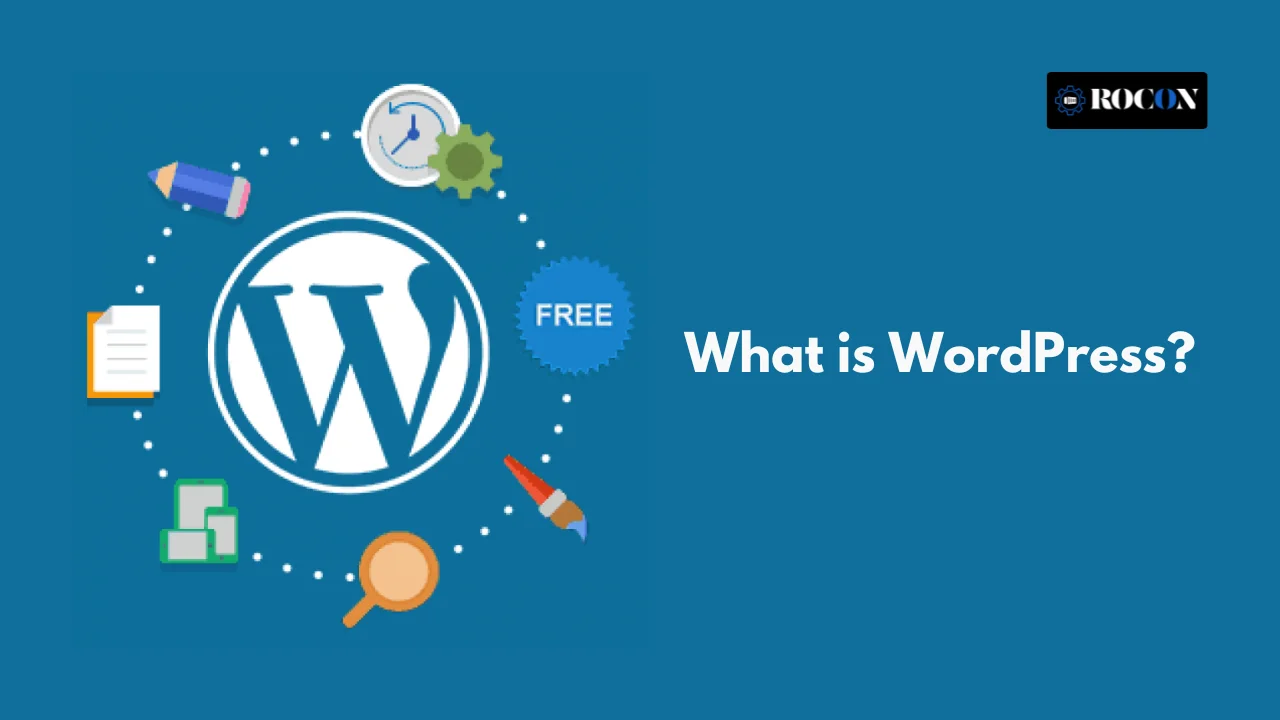 Unlike Laravel, which requires coding, WordPress has an intuitive interface that allows anyone – regardless of technical knowledge – to build a website using themes and plugins.
Now that we have a basic understanding of Laravel and WordPress, let’s compare them.
Performance is key in modern web development. It affects user experience, search engine rankings and overall responsiveness.
Ease of development depends on your level of experience and the complexity of the project.
Security is key especially for business websites handling sensitive user data.
Both have great extensibility but the approach is different.
The user experience matters most for non-technical users.
Choose based on your project.
| Feature | Laravel | WordPress |
| Type | PHP framework for web applications | Content Management System (CMS) |
| Ease of Use | Requires coding knowledge (PHP) | Beginner-friendly, no coding required |
| Performance | High performance with built-in caching and optimization tools | Can be optimized, but too many plugins can slow it down |
| Scalability | Highly scalable for large, complex applications | Scalable, but requires optimization for high traffic |
| Security | Strong built-in security features like CSRF protection and authentication | Requires regular updates and security plugins to minimize vulnerabilities |
| Customization | Full customization with no limitations | Extensive plugin and theme ecosystem, but some limitations |
| Development Speed | Requires more development time due to custom coding | Faster development with pre-built themes and plugins |
| SEO Features | Needs custom implementation or third-party tools | Built-in SEO features, plus powerful plugins like Yoast SEO |
When comparing Laravel vs WordPress, the right choice depends on the type of project you’re building. Laravel offers more flexibility for custom applications, while WordPress excels at content management and rapid website deployment.
If you need a content-driven website, blog, business site, or eCommerce store, WordPress is usually the better choice because it reduces development time and ongoing maintenance.
If you’re building a custom web application with unique workflows, advanced functionality, or high scalability requirements, Laravel often provides more flexibility and control.
In short: WordPress wins for speed of deployment and content management, while Laravel wins for custom development, scalability, and application-level performance.
Yes! Many developers combine Laravel and WordPress to leverage the strengths of both. Laravel is a robust framework for web applications and WordPress is an easy CMS for content management. By combining them you get the best of both worlds: Laravel’s structured development and WordPress’s content management.
If you’re building a custom web application that also needs a content driven website, combining Laravel and WordPress can be a great solution.
For example a Laravel based SaaS platform might use WordPress for its marketing site and blog, so they can have better content management while keeping the core business logic in Laravel.
Both Laravel and WordPress are powerful but the best choice depends on your project’s goals, technical expertise and scalability needs.
However, you don’t have to choose between them—you can combine Laravel with WordPress to get the best of both worlds. Laravel can handle complex application logic, while WordPress can manage content.
At Rocon, we specialize in managed WordPress hosting, helping businesses get the most out of their WordPress websites with security, speed and expert support. Whether you choose Laravel, WordPress or both, having the right hosting and support can make all the difference!
WordPress has built in SEO tools and plugins like Yoast SEO that makes content optimization easy for non technical users. Laravel requires custom implementation for SEO, so WordPress is better for content driven websites.
Both are possible:
If you need fast and easy setup choose WordPress with WooCommerce. For fully customized large scale solutions choose Laravel.
Yes, Laravel requires knowledge of PHP, MVC architecture and coding principles making it more challenging for beginners. WordPress is easier to use as it requires no coding skills making it more accessible for non developers.
Yes, but requires custom development. You can migrate your WordPress content to Laravel using the WordPress REST API or Corcel to pull data from the WordPress database while keeping Laravel as the core application.

Elevate your WordPress hosting with 30-day money-back guarantee, free migration, and 24/7 support.
Sign Up Today

Before You Go… Get 1 Month FREE on Rocon Hosting!

Experience lightning-fast speeds

No downtime or hidden fees

Dedicated 24/7 expert support

Leave a Reply