How to Start a Photography Business in 2026: Complete Guide
August 21, 2026 Written by Maria


August 21, 2026 Written by Maria
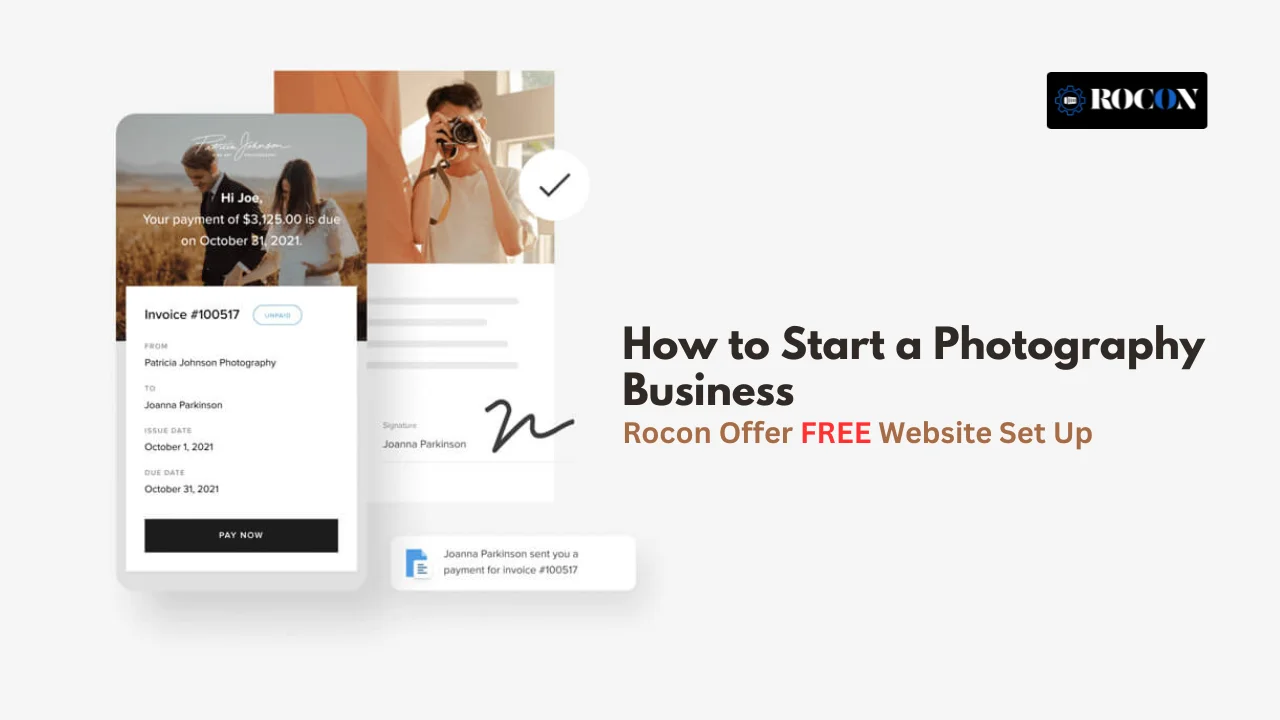


Wondering how to start a photography business without spending a fortune or getting lost in the details? You’re not alone. Turning photography from something you enjoy into a business is possible, but there’s more to it than taking great photos.
You need to choose the right type of photography, build a portfolio, set your prices, find your first clients, and create a simple way for people to discover and contact you. The good news is that you don’t need every piece figured out before you start.
Whether you want to photograph weddings, families, products, real estate, or local events, this guide walks you through the practical steps to turn your photography skills into a business. We’ll also cover the basic costs, equipment, marketing, and ways to build an online presence without making things more complicated than they need to be.
And if you need a professional website to showcase your work, Rocon can help you get started with a website built for your photography business.
Starting a photography business doesn’t mean you need a studio, expensive equipment, or a huge client list on day one. You can start small, build your portfolio, and grow as you gain experience.

Start by deciding what type of photography you want to offer. You might focus on weddings, portraits, real estate, products, events, or another area that fits your skills.
Then choose a business name that’s easy to remember, spell, and search for. A clear niche and simple name can make marketing much easier.

The legal requirements depend on where you live. You may need to choose a business structure, register your name, get the appropriate tax ID, and obtain local licenses or permits.
It’s also worth having a photography contract and appropriate insurance before taking on regular paid work.
You don’t need a 30-page document. Write down the basics:
Having these answers gives you something to work toward instead of guessing as you go.
Start with equipment that matches your niche rather than buying everything at once. A camera, versatile lens, memory cards, spare batteries, tripod, and basic lighting may be enough to begin.
Add specialized equipment as your work demands it. Renting expensive gear for occasional projects can also make more sense than buying it immediately.

Your portfolio is one of the first things potential clients will check. Show your strongest work and make it easy for visitors to understand what you offer.
At a minimum, your photography website should include:
Rocon can help photographers get a professional website without the usual upfront development cost. You can use it to showcase your work, attract clients, and build your online presence.
Your brand should feel like an extension of your photography style. Choose a simple logo, a few colors, and fonts that work well together.
More importantly, keep your photos and visual style consistent across your website and social media. People should be able to recognize your work before they see your name.
Don’t copy another photographer’s pricing without understanding your own costs. Consider your shooting time, editing, equipment, travel, software, taxes, and other business expenses.
You can create different packages for different needs, such as mini sessions, full-day events, product bundles, or monthly content packages.

You don’t need to be everywhere. Focus on the channels where your ideal clients actually spend time.
Try a mix of:
Ask satisfied clients for honest reviews and permission to share their work when appropriate.
Great photography will get you only so far. You also need a simple system for managing the business side.
Use tools for contracts, invoices, scheduling, payments, client communication, and bookkeeping. Keep business income and expenses organized from the beginning.
Most importantly, respond to clients promptly and deliver work when you say you will. Professional service can turn a one-time customer into a repeat client or referral.
You don’t need a studio to get your first clients. Natural light, outdoor locations, a home setup, or rented spaces can work depending on your niche.
Start with the equipment and space you have, build a strong portfolio, and reinvest your earnings into the business. As your bookings become more consistent, you can upgrade your gear, workspace, and services.
The goal isn’t to build everything at once. Start with what you need, get your first clients, learn from the experience, and grow from there.
One of the nice things about starting a photography business is that you have plenty of directions to choose from. You can focus on the type of work you enjoy most or start with one niche and expand as you gain experience.
Here are some popular photography niches to consider:
Photograph weddings and engagements for couples who want someone to capture important moments and emotions throughout their day.
Work with families, individuals, professionals, creators, or graduates who need high-quality portraits for personal or professional use.
Create bright, well-composed images that help real estate agents and property owners showcase homes and commercial spaces.
Help brands create photos for websites, online stores, catalogs, advertisements, and social media.
Cover corporate events, parties, conferences, and other gatherings where clients want professional photos of the experience.
Create family portraits and newborn sessions in a studio, at home, or on location. Patience and good communication are especially important here.
Photograph dishes and food products for restaurants, food brands, cookbooks, blogs, and social media campaigns.
Work with designers, models, publications, and brands to create creative images for campaigns and editorial projects.
If you enjoy traveling and outdoor photography, you can sell prints, license images, work with tourism brands, or create content for publications.
You don’t have to commit to one niche forever. Start with an area that interests you, see where the demand is, and let your business evolve as you gain experience.
You don’t need to spend thousands of dollars before you can call yourself a photographer. The actual cost depends on the type of photography you plan to offer, the equipment you already own, and how quickly you want to grow.
Here are the main expenses to plan for:
Your camera and lens will probably be your biggest initial expense. You may also need memory cards, batteries, a tripod, lighting, camera bags, and backup equipment.
You don’t have to buy everything at once. Start with the equipment you need for your first few projects and upgrade as your business brings in more revenue.
You’ll need reliable software to organize and edit your photos. Tools such as Lightroom and Photoshop are popular choices, but there are also free and lower-cost alternatives if you’re starting with a tight budget.
Depending on where you live, you may need to register your business, choose a business structure, open a separate business bank account, and handle other administrative requirements. Check your local rules before taking on paid work.
Some photography businesses need liability insurance, permits, or specific licenses depending on their location and the type of work they do. These costs vary, so check the requirements where you operate.
A professional website gives potential clients a place to see your portfolio, understand your services, and contact you. You’ll also want to consider social media, local networking, referrals, and other marketing channels.
You don’t need to spend a fortune at the beginning. Start with the essentials, keep your expenses under control, and invest more as your photography business grows.
Photography can be a rewarding business, but it isn’t all camera gear and creative shoots. Before getting started, it’s worth knowing what the day-to-day reality looks like.
Yes, you can turn photography into a real business. You don’t need the most expensive camera, a studio, or years of experience to get started. What matters is having a clear niche, a strong portfolio, consistent marketing, and the patience to build your client base.
Start with what you have, take on projects that help you improve, and reinvest as the business grows. Whether you want to shoot weddings, products, portraits, or real estate, focus on doing good work and giving clients a reason to recommend you.
Your website is another important part of that process. It gives potential clients a place to see your work, learn about your services, and contact you. Rocon can help you build a professional photography website for free, so you can focus more on your business and less on the technical side.
Ready to put your photography business online? Book your free setup call with Rocon and get started.
Not necessarily. A good smartphone or entry-level camera can be enough to build your first portfolio. As your skills and client list grow, you can invest in better equipment.
You can start with a relatively small budget if you already have a camera and basic equipment. Your main costs may include gear, editing software, insurance, marketing, and a website.
Yes. Many photographers work from home and travel to their clients. Depending on your niche, you may only need a small space for editing, storing equipment, or taking product photos.
Start with people you already know, then use social media, local networking, referrals, and community groups to reach more potential clients. A simple portfolio website can also make it easier for people to find and contact you.
It depends on your location, skills, pricing, and demand. Wedding, commercial, product, real estate, and branding photography can all be profitable when you build a strong client base and price your work properly.

Elevate your WordPress hosting with 30-day money-back guarantee, free migration, and 24/7 support.
Sign Up Today


Before You Go… Get 1 Month FREE on Rocon Hosting!

Experience lightning-fast speeds

No downtime or hidden fees

Dedicated 24/7 expert support

Leave a Reply