How to Fix Content Control Plugin Conflicts in WordPress
June 2, 2026 Written by Nitish Kumar


June 2, 2026 Written by Nitish Kumar
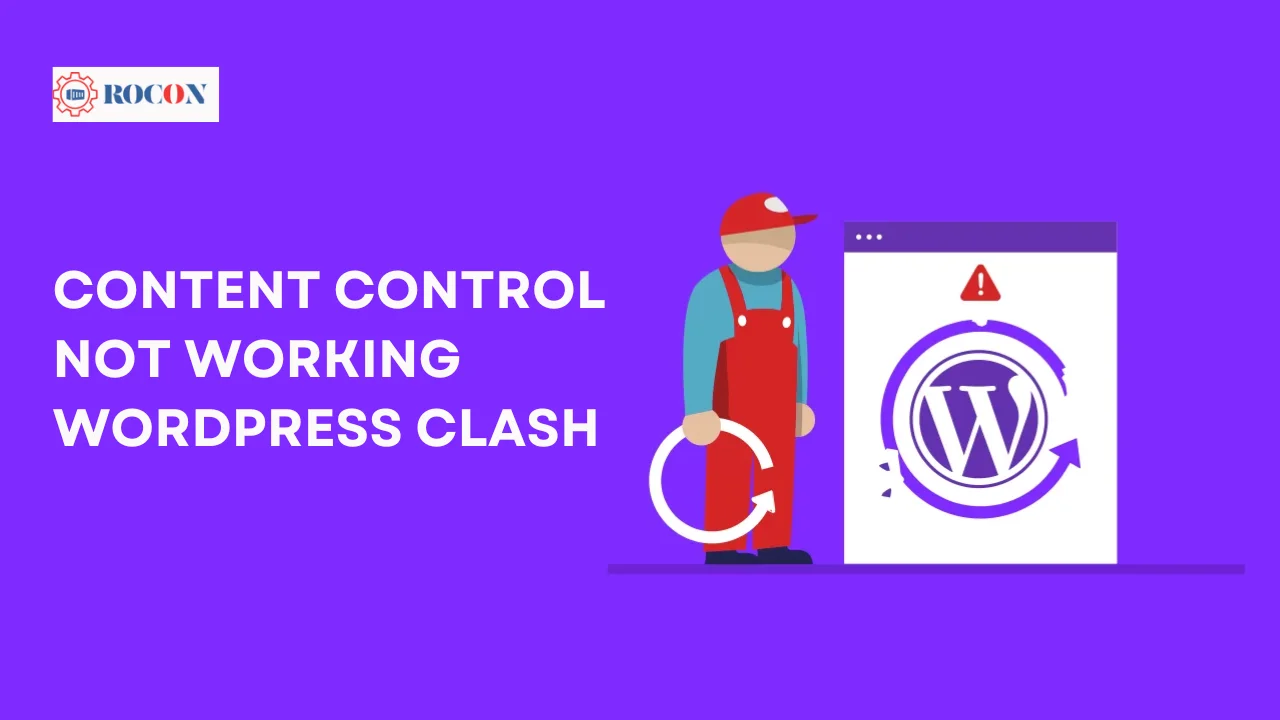


Content control not working in WordPress is usually caused by plugin conflicts, caching issues, incorrect visibility rules, or theme compatibility problems. When this happens, protected content may become visible to the wrong users, or authorized visitors may be blocked from accessing pages they should be able to view.
Because content control relies on WordPress roles, user permissions, and page-rendering logic, even a small conflict can affect how access rules are applied. Security plugins, membership plugins, page builders, caching tools, and custom code are among the most common sources of compatibility issues.
The good news is that most content control conflicts can be resolved with a systematic troubleshooting process. By checking plugin compatibility, reviewing access rules, clearing caches, and testing with a default theme, you can quickly identify the root cause and restore proper content restrictions.
In this guide, you’ll learn the most common reasons behind a content control WordPress clash, how to diagnose conflicts, and the practical steps to ensure your content is displayed only to the users you intend to reach.
Content Control is a powerful WordPress plugin that allows you to manage access to specific parts of your website. Whether it’s pages, posts, widgets, or individual blocks, this tool lets you decide what content your visitors or logged-in users can see.
It offers simple but granular control over visibility by user roles, login status, or other parameters—putting you in charge of who can access what and when. With Content Control, you can:
It’s a valuable tool for membership sites, online courses, and premium content blogs, ensuring that the right users see the right content at the right time.
When the content control plugin isn’t functioning as expected, the root problem is often linked to plugin settings or conflicts within your WordPress ecosystem. Below are some of the most common causes, along with a few things to watch out for. Identifying these issues early can save time and prevent disruptions on your site:
By carefully addressing these areas, you can ensure Content Control runs smoothly and reliably on your WordPress site.
Encountering issues with the Content Control plugin can be frustrating, especially when your visibility rules don’t behave as expected. However, most problems arise from common conflicts or misconfigurations, and the good news is that you can often resolve them quickly.
Below are practical steps to identify and fix these issues, ensuring your site functions as intended. Whether it’s a plugin conflict, theme issue, or caching glitch, follow these methods to get everything back on track!
One of the most common reasons for plugins not working properly is a conflict between multiple plugins. Here’s how to systematically check for such issues:
Sometimes, the problem could be due to your theme not being compatible with the Content Control plugin. Here’s how you can rule this out:
Content Control relies on specific rules and shortcodes to determine which users can view certain content. Misconfigurations in these settings are common sources of problems. Here’s how to double-check your settings:
Caching plugins can sometimes interfere with how Content Control displays content, as cached pages might still display old visibility settings. To resolve this:
Outdated versions of plugins or WordPress core files can cause compatibility issues or bugs. Here’s how to ensure everything is up-to-date:
If you’re unable to identify the issue through the methods above, enabling WordPress Debug Mode can help. This allows you to see detailed error messages that may provide clues about what’s going wrong. Here’s how to enable it:
Here are some best practices to ensure smooth implementation of the Content Control plugin on your WordPress site. Following these guidelines can help prevent conflicts, maintain performance, and enhance accessibility.
Content Control is an effective plugin for restricting content access in WordPress, but conflicts with other plugins, themes, caching systems, or user role settings can sometimes prevent it from working as expected. Identifying the source of the conflict is usually the first step toward restoring proper access controls.
Most issues can be resolved by reviewing visibility rules, clearing caches, updating plugins, and testing for compatibility conflicts. A systematic troubleshooting approach helps ensure that protected content remains accessible only to the intended users.
To avoid future problems, keep WordPress and plugins updated, test major changes on a staging site, and minimize overlapping access-control plugins. Following these best practices will help maintain a stable, secure, and reliable content management experience.
The most common cause is a conflict with other plugins, especially those that manage access or caching. Deactivating other plugins temporarily can help identify if they are causing the issue.
Yes, some themes may not be fully compatible with Content Control, especially if they have their own visibility rules or complex page builders. Switching to a default WordPress theme can help determine if the theme is causing the issue.
Caching plugins may serve outdated, cached versions of your site that do not reflect recent visibility updates. Clearing caches or temporarily disabling caching plugins can help resolve this issue.
Using a staging site allows you to test updates, new plugins, and configuration changes without impacting your live site. This is a recommended best practice for preventing disruptions.
If you’re unable to resolve the issue after following these steps, enabling debug mode in WordPress can help you identify any underlying errors that might point to the source of the problem.

Elevate your WordPress hosting with 30-day money-back guarantee, free migration, and 24/7 support.
Sign Up Today
Before You Go… Get 1 Month FREE on Rocon Hosting!

Experience lightning-fast speeds

No downtime or hidden fees

Dedicated 24/7 expert support

Leave a Reply