Can You Undelete a WordPress Category? Here’s How
August 10, 2026 Written by Nitish Kumar


August 10, 2026 Written by Nitish Kumar



Can you undelete a WordPress category? Yes, but WordPress does not have a simple restore button for deleted categories. If you accidentally remove a category, you may still be able to recreate it and reconnect it to your posts, depending on what was deleted and whether you have a recent backup.
Deleting an important category can affect how your content is organized and how visitors navigate your website. It can also change category URLs and potentially create broken links if the category was already indexed by search engines.
In this guide, we’ll explain what happens when you delete a WordPress category, how to recover or recreate it, and what to do if you have a backup. We’ll also cover a few simple steps you can take to avoid losing important categories in the future.
Before jumping into solutions, let’s understand why WordPress categories sometimes get deleted. Whether it’s a simple mistake or a deliberate action, there are several reasons this can happen:
Understanding the cause helps prevent future mistakes. Now, let’s move on to the solutions.
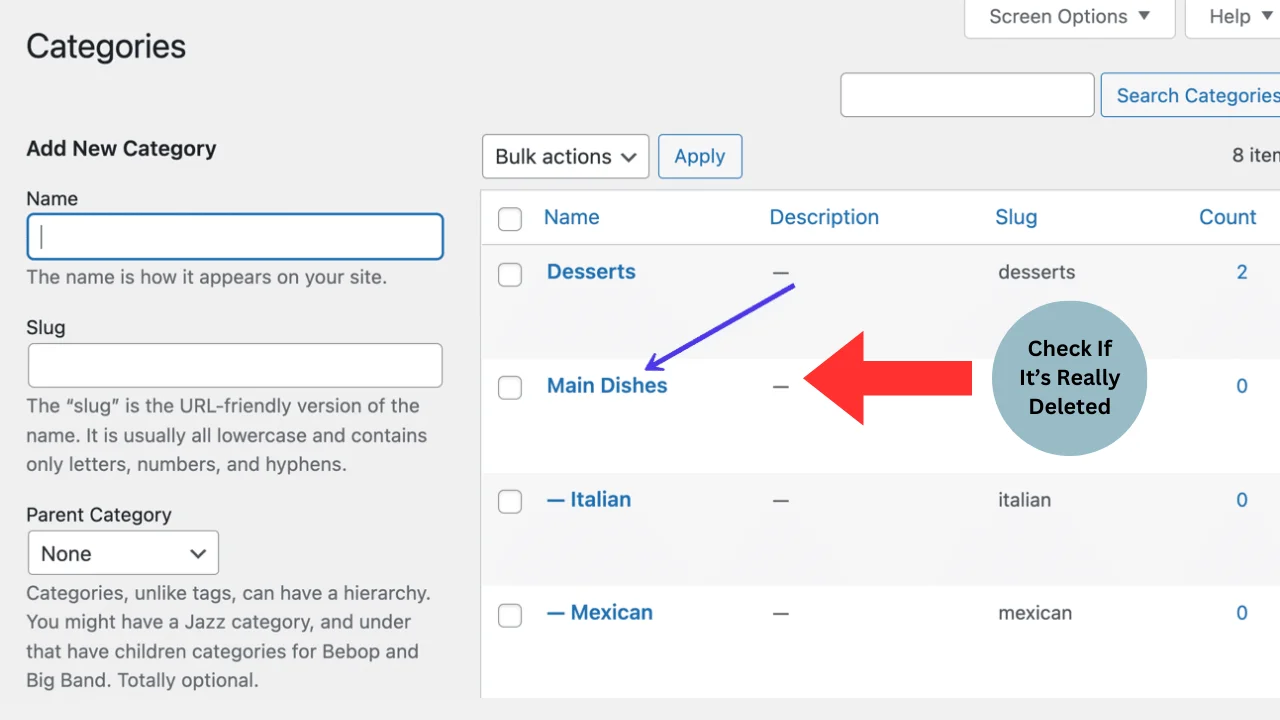
Before panicking, ensure the category is actually deleted. Sometimes, categories may seem deleted due to caching or theme settings. You can:
If it’s still missing, move on to the recovery steps.
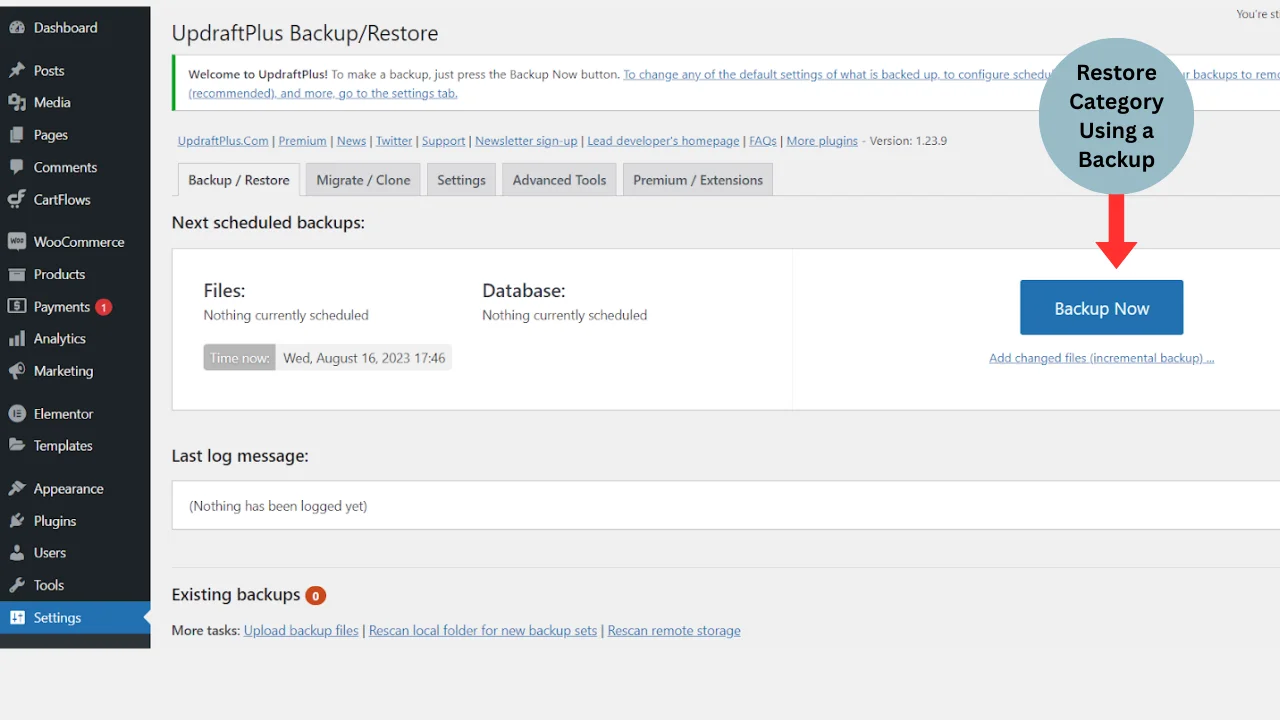
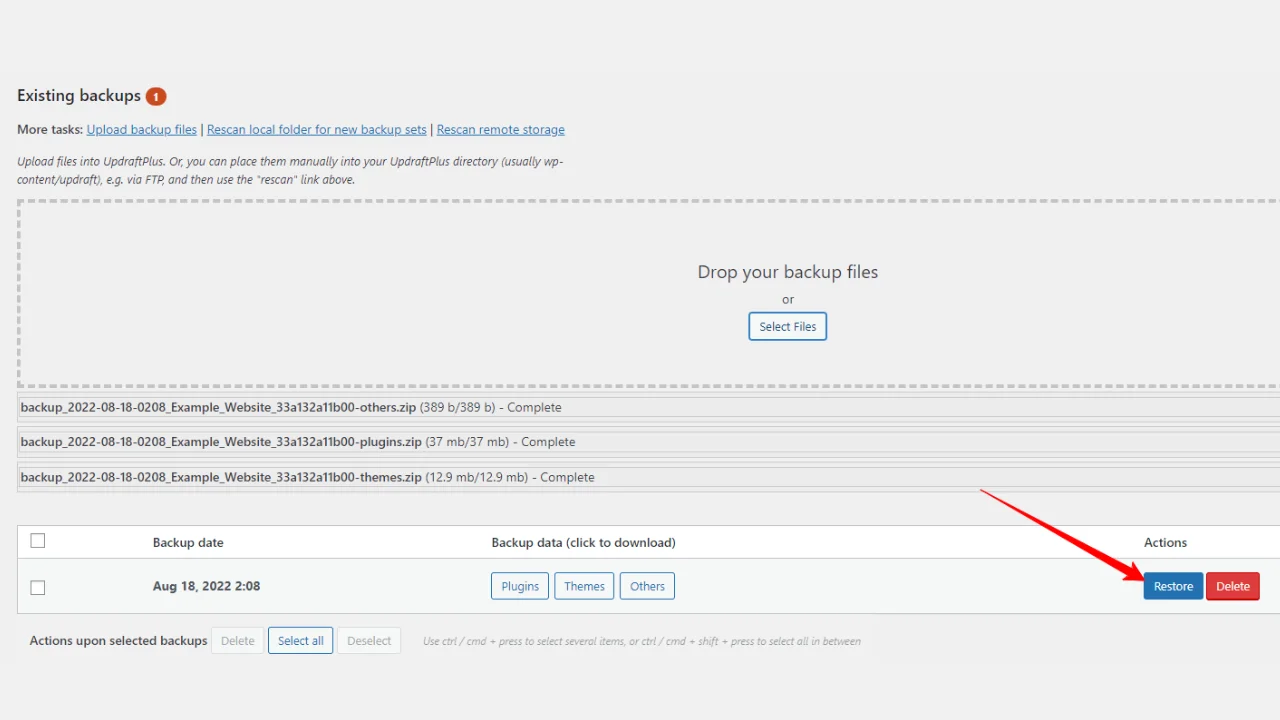
If the category has been permanently deleted, one of the easiest ways to restore it is by reverting to a previous backup. Here’s how:
Keep in mind that restoring from a backup will overwrite any changes made after the backup, so ensure you’re comfortable with this option before proceeding.
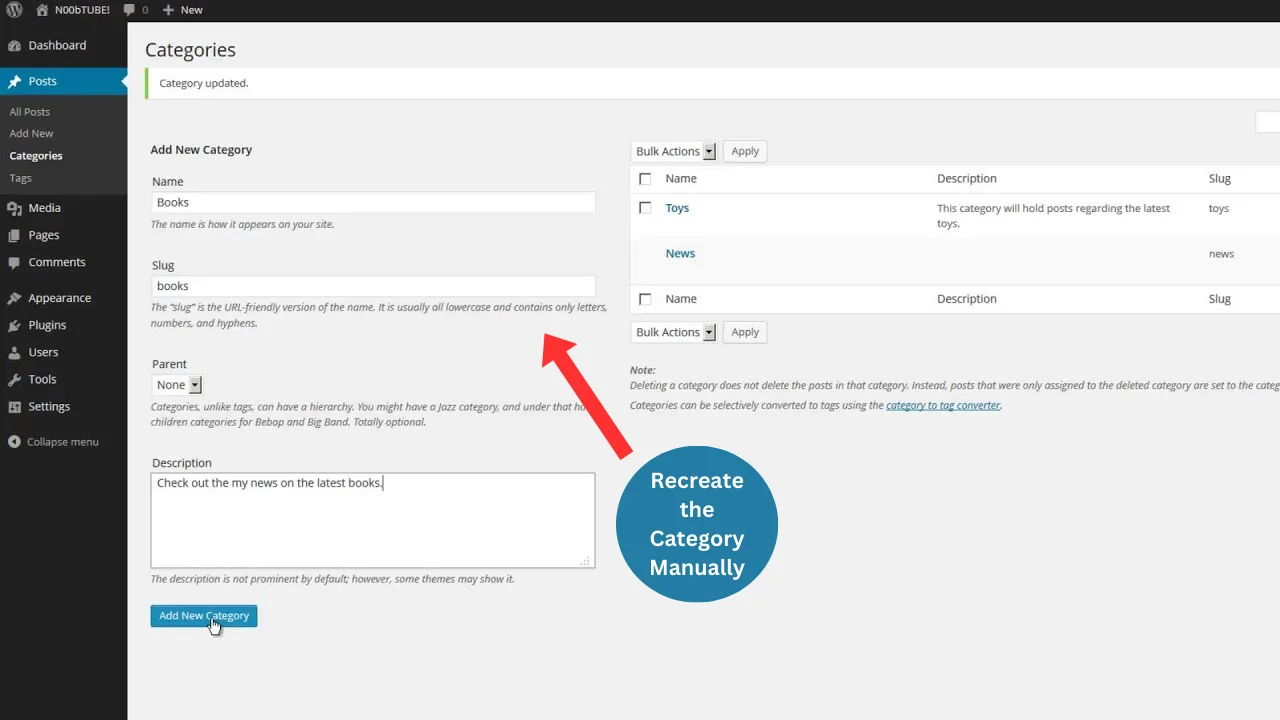
If backups aren’t an option, you can manually recreate the category. While this won’t bring back posts that were assigned to the deleted category, it can restore your site’s structure.
This approach works well if you don’t have many posts to reassign and want to quickly restore the category.
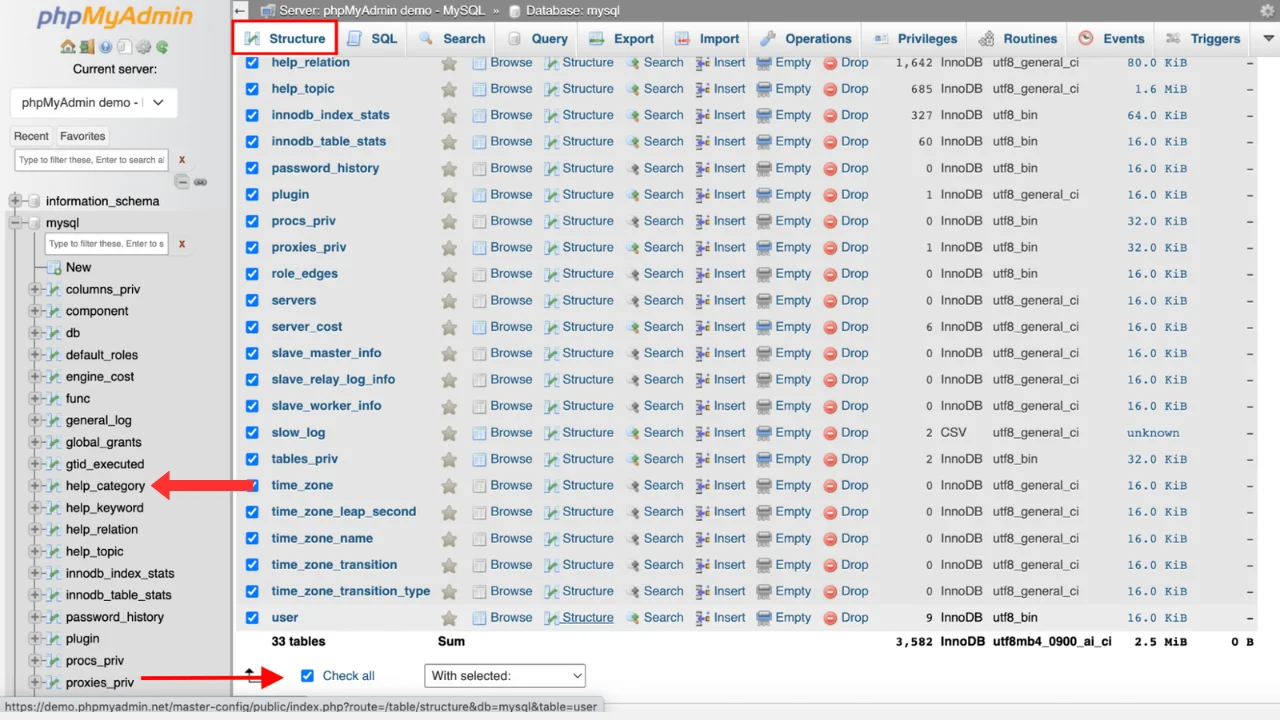
For advanced users, or if your hosting provider offers cPanel access, you can attempt to restore the category via your site’s database:
This method requires some technical skill, so proceed cautiously. If you’re not comfortable with database manipulation, consider reaching out to your hosting provider or a WordPress developer.
There are several plugins available that can help recover deleted content. For instance, WP Reset allows you to restore certain elements of your site, including categories.
This is a user-friendly option for those who prefer not to delve into database management or manual recreation.
Now that you’ve restored your category, here are some tips to avoid accidentally deleting categories in the future:
Accidentally deleting a WordPress category can be frustrating, but you usually have options. If you have a recent backup, restoring it is the safest approach. Otherwise, you can recreate the category and assign the relevant posts to it again.
To avoid similar problems, keep regular backups and double-check important changes before deleting anything. For larger updates, testing changes on a staging site can also help protect your live website.
With a reliable backup and a little care, you can keep your WordPress categories organized and avoid losing important site structure.
Unfortunately, WordPress does not have a trash bin for categories like it does for posts and pages. Once a category is deleted, it’s removed permanently unless you have a backup or use a plugin for recovery.
Yes, restoring a backup will revert your entire site to the state it was in when the backup was created. This means any new content created after that backup will be lost, so proceed carefully and consider other recovery methods if possible.
Yes, if you restore from a backup, the posts assigned to the deleted category will also be restored. If you recreate the category manually, however, you’ll need to reassign the posts to the new category.
When a blog post is deleted, WordPress moves it to the Trash instead of permanently deleting it. Go to Posts > All Posts > Trash and click Restore to bring it back. If it’s not in Trash, check your host’s backup or use a backup plugin like UpdraftPlus or Jetpack Backup.
To delete a category, go to Posts > Categories in your dashboard. Hover over the category you want to remove and click Delete. If posts are assigned to that category, WordPress will automatically move them to the Uncategorized category unless you reassign them first. Always review before deleting to avoid confusion in navigation.
Recovering a deleted site depends on backups. Check your hosting provider’s backup panel, as most hosts keep daily or weekly backups. If backups are available, restore your files and database. If no host backup exists, try backup plugins, cloud storage, or contact hosting support. The sooner you act, the higher the recovery success.
Go to Pages > All Pages > Trash in your WordPress dashboard. If the page is in Trash, click Restore to bring it back instantly. If it is not there, check any backup plugin you use or request a restoration from your hosting provider’s backup options. Don’t rebuild until you confirm no backup exists.
First, check your Trash folder under Pages—WordPress stores deleted pages there temporarily. Click Restore to recover it. If Trash is empty, look for site backups via your hosting provider or backup plugins. For frequent edits, consider enabling revision history so you can revert to earlier versions even without full backups.

Elevate your WordPress hosting with 30-day money-back guarantee, free migration, and 24/7 support.
Sign Up Today
September 28, 2026
Nitish


Before You Go… Get 1 Month FREE on Rocon Hosting!

Experience lightning-fast speeds

No downtime or hidden fees

Dedicated 24/7 expert support

Leave a Reply