An Important Update Is Required for WooCommerce
June 1, 2026 Written by Nitish Kumar


June 1, 2026 Written by Nitish Kumar
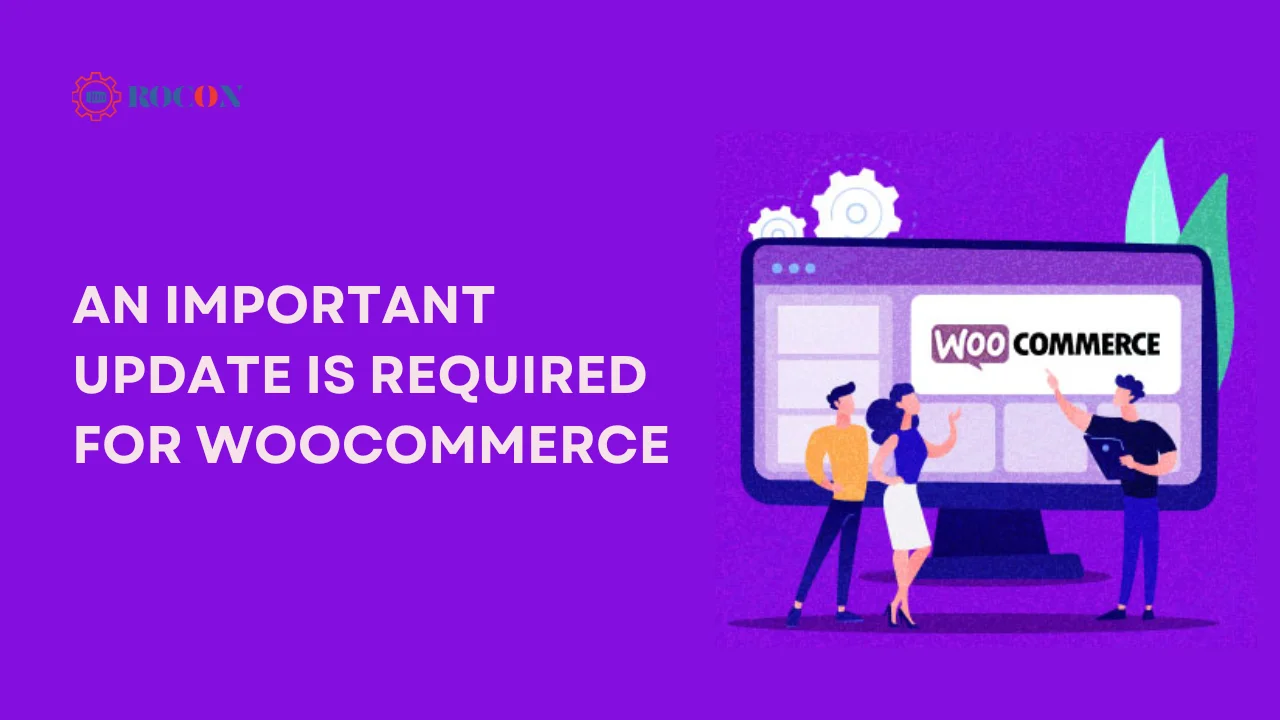


An Important Update Is Required for WooCommerce is a notification many store owners encounter when WooCommerce detects that critical updates are available. While it may seem like a routine message, it often signals important improvements related to security, performance, compatibility, and store functionality.
Keeping WooCommerce updated is essential for maintaining a secure and reliable online store. Each release typically includes bug fixes, security patches, payment gateway improvements, and compatibility updates that help your store run smoothly with the latest version of WordPress and third-party plugins.
Ignoring update notifications for too long can lead to security vulnerabilities, broken features, or compatibility issues that affect the customer experience. On the other hand, updating without proper preparation can sometimes create conflicts with themes, plugins, or custom code.
In this guide, you’ll learn what the An Important Update Is Required for WooCommerce message means, why updates matter, how to safely update your store, and the best practices to minimize risks while keeping your WooCommerce site secure and up to date.
WooCommerce enables WordPress sites to function as fully operational e-commerce platforms, offering features like product listings, payment gateways, and customizable store management tools. As a self-hosted solution, it allows for extensive customization, making it a popular choice for store owners aiming to build a unique shopping experience.
The latest WooCommerce update introduces various new features, optimizations, and security patches. Here’s a breakdown of the most significant aspects:
This update is packed with new capabilities to help e-commerce sites operate more efficiently:
Security remains a top priority with WooCommerce. This update includes essential security patches, protecting stores against vulnerabilities like SQL injection and cross-site scripting (XSS). Additional layers of security, such as two-factor authentication and enhanced SSL support, provide customers and store owners peace of mind.
Each WooCommerce update is carefully designed to ensure compatibility with WordPress’s latest versions and popular plugins. However, it’s crucial to check your store’s plugins for compatibility before updating.
Updating a live WooCommerce store requires caution, as improper updates may lead to downtime or data loss. Here’s a guide on how to update safely:
Understanding how the update may impact your store’s operations can help you prepare better. Key areas to watch out for include:
A successful WooCommerce update process should include the following steps:
Even with careful preparation, issues may arise after updating WooCommerce. Here are solutions for common problems:
The latest WooCommerce update opens up new opportunities for e-commerce growth. Here’s how to maximize its features:
Keeping WooCommerce updated is essential for maintaining a secure and reliable online store. Regular updates deliver important security patches, performance improvements, and compatibility fixes that help your store run smoothly and protect it from potential vulnerabilities.
Before applying any WooCommerce update, take the time to create a full backup, test changes in a staging environment, and verify that your themes and plugins are compatible. These simple precautions can help prevent downtime and ensure a seamless update process.
Ultimately, staying up to date with WooCommerce is an investment in your store’s long-term success. By adopting new features and security enhancements as they become available, you can provide a better customer experience, improve store performance, and keep your business ready for future growth.
To update WooCommerce, go to Dashboard → Updates or Plugins → Installed Plugins in your WordPress admin panel. Before updating, create a full backup of your website and test the update in a staging environment if possible. Once the backup is complete, click Update Now to install the latest version.
The latest version of WooCommerce is the most recent release available from the WooCommerce development team. You can check the current version by visiting the WooCommerce plugin page in WordPress, the official WooCommerce website, or the WordPress Plugin Directory.
WooCommerce update issues are commonly caused by plugin conflicts, incompatible themes, insufficient server resources, or outdated WordPress versions. Reviewing error logs, disabling conflicting plugins, and ensuring compatibility with your hosting environment can help resolve most update-related problems.
Using the latest version of WooCommerce helps keep your online store secure, stable, and compatible with modern plugins and payment gateways. Updates often include security patches, performance improvements, bug fixes, and new features that enhance both store management and the customer experience.

Elevate your WordPress hosting with 30-day money-back guarantee, free migration, and 24/7 support.
Sign Up Today
September 28, 2026
Nitish

Before You Go… Get 1 Month FREE on Rocon Hosting!

Experience lightning-fast speeds

No downtime or hidden fees

Dedicated 24/7 expert support

Leave a Reply