Start a Small Printing Business: Complete Guide
August 21, 2026 Written by Nitish Kumar


August 21, 2026 Written by Nitish Kumar
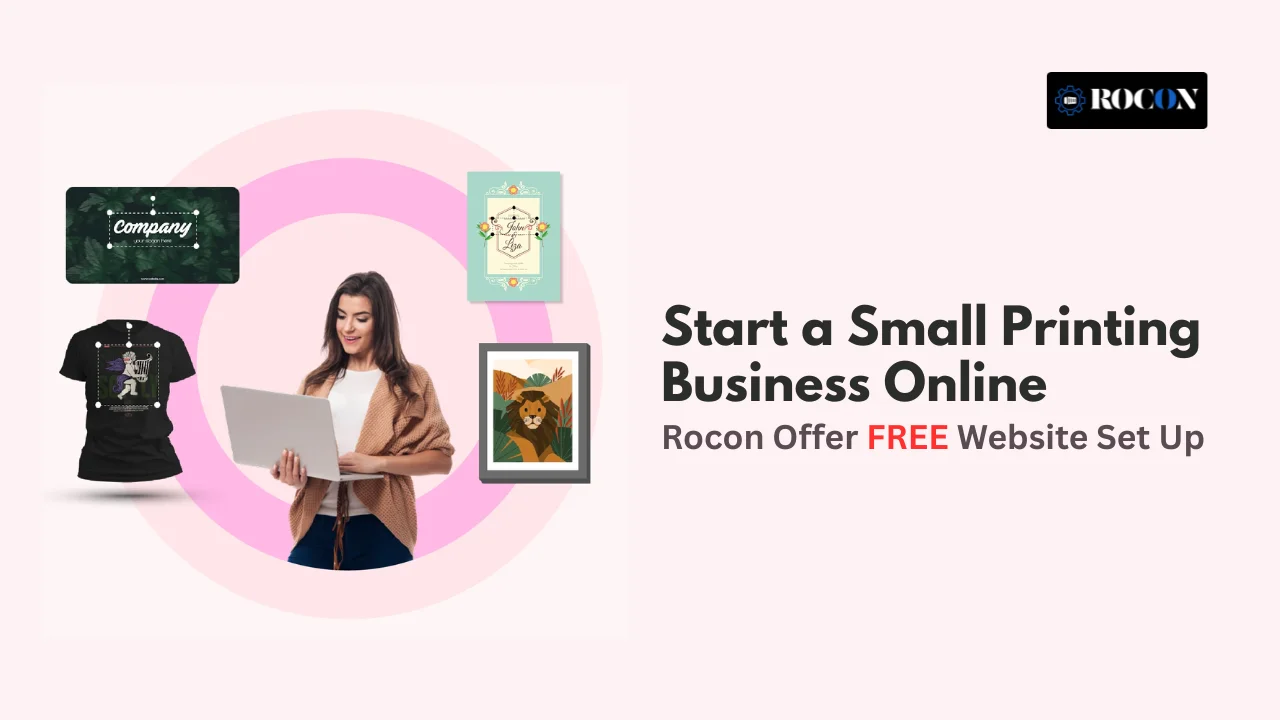


If you enjoy creating things and want a business you can start on a manageable budget, a small printing business is worth considering. From custom T-shirts and business cards to signs, invitations, stickers, and promotional products, there are plenty of ways to turn printing skills into income.
You don’t need a large shop or a room full of expensive equipment to get started. Many entrepreneurs begin from home, take on smaller orders, and invest in better equipment as demand grows.
The real challenge is deciding what you want to print, who you want to sell to, and how you’ll stand out from other local and online printing businesses.
This guide explains how to start a small printing business, including choosing your niche, selecting equipment, estimating startup costs, setting prices, finding customers, and building a business that can grow over time.
A printing business can be a practical choice if you want to start small, work from home, and build your services over time. You can begin with a focused product range and expand once you understand what customers are willing to pay for.
You don’t need a large shop or expensive commercial equipment on day one. Start with the printing services you can handle, then invest in better equipment as your order volume grows.
A home-based setup gives you more control over your schedule and operating costs. You can start part-time while keeping another job and move to full-time once the business becomes consistent.
There are many directions you can take, including custom T-shirts, stickers, business cards, signs, invitations, packaging, and promotional products. You can choose products based on your skills and local demand.
Once you have regular customers, you can expand into bulk orders, corporate printing, event materials, or new product categories. You can also build an online store and reach customers beyond your local area.
The key is not trying to offer everything at once. Start with a product or niche you understand, build a reliable customer base, and expand when the numbers make sense.
Starting a small printing business becomes much easier when you break it into clear steps. You don’t need to buy every machine or offer every product at once. Start with a focused plan, test your idea, and expand as orders become consistent.

Before spending money on equipment or branding, decide what you want to print and who you want to serve. The printing industry covers everything from apparel to business materials, so choosing a niche can make your marketing and product decisions much easier.
Popular options include:
A clear niche helps you understand your customers and create products around their needs. Instead of trying to compete with every printer in your area, you can become known for a specific type of work.
Pro Tip: Start with one main category. Once you have regular customers and understand your margins, add related products.

Once you know your niche, spend some time researching the market before buying equipment. Your goal is simple: find out what people are already buying and where existing businesses leave room for improvement.
Ask yourself:
Look at popular products, common requests, delivery times, and customer complaints. Reviews of competing businesses can reveal opportunities such as better quality, faster service, or easier customization.
Compare their:
Maybe competitors have limited designs, slow delivery, or poor customer service. Finding one area where you can do better gives your business a practical reason for customers to choose you.
You don’t need a 30-page document to start a small printing business. A one-page plan is enough to give you direction and help you avoid unnecessary spending.
Write down:
Having these numbers in front of you makes it easier to decide what you can afford and what needs to wait.
Your equipment will depend on what you plan to print. Don’t buy expensive machines simply because they have more features. Choose equipment that matches your first products and expected order volume.
Common equipment includes:
1. Printer
Inkjet, laser, sublimation, or another type suited to your products.
Useful for applying designs to T-shirts, bags, caps, and other items.
Helpful for stickers, labels, vinyl designs, and custom lettering.
Tools such as Canva, Adobe Illustrator, or CorelDRAW can help you create and prepare professional designs.
Keep a practical supply of products such as blank shirts, mugs, tote bags, cards, and stationery.
Avoid filling your workspace with specialized equipment before you have customers for it. Start with versatile tools, learn your workflow, and upgrade when order volume justifies the expense.
Even if most of your customers are local, people will usually search for your business online before placing an order. A website and active social profiles can make your business look more established and easier to trust. Start with:
Choose a name that’s easy to remember, spell, and search. Your logo should fit the type of products you sell without making the brand feel complicated.
Use Rocon to get a professional website for your printing business with hosting and setup support. Your website can showcase products, collect quote requests, and give customers a simple way to contact you.
Instagram, Facebook, and Pinterest can work well for visual businesses. Share finished products, design ideas, customer orders, and behind-the-scenes content.
Depending on your products, platforms such as Etsy or Amazon can help you reach customers who are already looking for custom products.
Pro Tip: Add your website link to your social profiles so customers can move from seeing your work to contacting or ordering from you.
Before accepting orders, create a simple catalog that shows customers exactly what you offer and what each product costs.
Choose around 5–10 products that fit your niche. For example, a custom apparel business could start with T-shirts, hoodies, tote bags, and caps.
Show real product photos whenever possible. Mockups can also help customers visualize different colors, designs, and personalization options.
Group similar items into categories such as apparel, stationery, event products, or corporate gifts. Make it easy for customers to find what they need.
Include:
Tip: Bundles can increase order value while giving customers a simple reason to buy multiple products together.
Your website should do more than look good. It should help customers understand your products, request a quote, or place an order without having to ask basic questions.
With Rocon, you can get free website development and fast WordPress hosting for your small business. A reliable website gives you a place to showcase your work and reach customers beyond your immediate area.
You don’t have to wait until everything is perfect before promoting your business. Start building awareness while you’re preparing your products and catalog.
1. Social Media: Share product photos, short videos, customer orders, and behind-the-scenes clips.
2. Local Marketing: Connect with event planners, schools, restaurants, real estate agents, and nearby businesses that may need printed materials.
3. Online Marketplaces: List products on relevant marketplaces to reach people already searching for custom items.
4. Referral Programs: Give existing customers a simple incentive to recommend your business.
5. Email Marketing: Collect customer emails and send useful updates, seasonal products, and special offers.
Focus on the channels where your target customers actually spend time rather than trying to maintain every platform.
Once your product catalog is ready, make buying as simple as possible. An online store can help you accept orders outside normal business hours and reduce the back-and-forth involved in routine purchases.
Pro Tip: Rocon Hosting can provide the website and hosting foundation for your online printing business. Keep the checkout process simple so customers can move from product selection to payment without confusion.
A well-organized online store also gives you a central place to send customers from social media, search results, and email campaigns.
Getting your first orders is only the beginning. Consistent marketing and good customer service are what help turn those first buyers into repeat customers. Try these strategies:
Track which products sell, where your customers come from, and which marketing channels generate real orders. Use that information to improve your catalog, pricing, and marketing instead of simply doing more of everything.
A small printing business can grow steadily when you focus on products people want, control your costs, deliver consistent quality, and make it easy for customers to buy from you.
Starting a small printing business can be rewarding, but the first few months may come with a few bumps. Knowing what to expect can help you avoid costly mistakes and keep things moving in the right direction.
Problem: Orders can be inconsistent when your business is new, making it difficult to plan your income and inventory.
Solution: Start with a focused product range, build relationships with repeat customers, and use seasonal offers to create more consistent demand.
Problem: Generic or outdated designs can make it harder to attract attention, especially when customers have plenty of choices.
Solution: Watch what’s trending in your niche, study customer preferences, and regularly refresh your designs. Don’t be afraid to ask customers what they would like to see.
Problem: Pricing too low can leave you with little or no profit, while pricing too high may make it harder to compete.
Solution: Calculate your complete cost per product, including materials, printing, packaging, labor, shipping, and platform fees. Then compare your pricing with similar businesses.
Problem: Poor colors, damaged products, or inconsistent prints can lead to complaints and hurt customer trust.
Solution: Test new materials and designs before taking large orders. Use reliable equipment, maintain your printers, and check finished products before shipping them.
Problem: Running production, answering customers, handling orders, and marketing the business can quickly become overwhelming.
Solution: Create a simple daily workflow and use scheduling, invoicing, and order-management tools where they make sense. As orders increase, consider outsourcing repetitive tasks so you can focus on growing the business.
Thinking about starting a print-on-demand business? It can be a smart way to sell custom products without buying inventory upfront or renting a workspace. You create the designs, list the products, and your print partner handles production and shipping when an order comes in.
That makes the model attractive for beginners, but it isn’t completely hands-off. Before you get started, it’s worth understanding both the benefits and potential drawbacks.
1. Simple to Start: You don’t need a warehouse, printing equipment, or a large team to get your store running. Most print-on-demand platforms provide simple tools for uploading designs and creating product listings.
2. Lower Upfront Costs: You can start without spending heavily on inventory or commercial printing equipment. Since products are made after customers place orders, you mainly pay when you make a sale.
3. No Inventory Headaches: You don’t have to keep boxes of unsold shirts, mugs, or other products at home. Your print provider handles production and shipping, giving you more time to focus on your designs, marketing, and customers.
4. Sell to Customers Anywhere: A print-on-demand store can reach customers beyond your local area. With an online store and a reliable fulfillment partner, you can sell to buyers in different cities or countries without managing shipping yourself.
Print-on-demand removes some of the usual challenges of running a product business, but it also means giving up some control.
1. Less Control Over Quality: You aren’t producing the products yourself, so the final quality depends on your printing partner. Order samples before listing products and check the print quality, materials, packaging, and sizing.
2. Delivery Can Take Longer: Because products are made after an order is placed, production adds another step before shipping. Set realistic delivery times and choose a provider with fulfillment options that match your customers’ expectations.
3. Profit Margins Can Be Tighter: The convenience comes at a cost. Print-on-demand providers charge for production and fulfillment, so your cost per item may be higher than buying products in bulk. Calculate all your costs before setting your selling price.
4. Customer Support Is Still Your Responsibility: Your print partner may handle production and shipping, but customers will contact you when an order is late, damaged, or incorrect. Clear policies and quick responses can help you handle these situations without damaging customer trust.
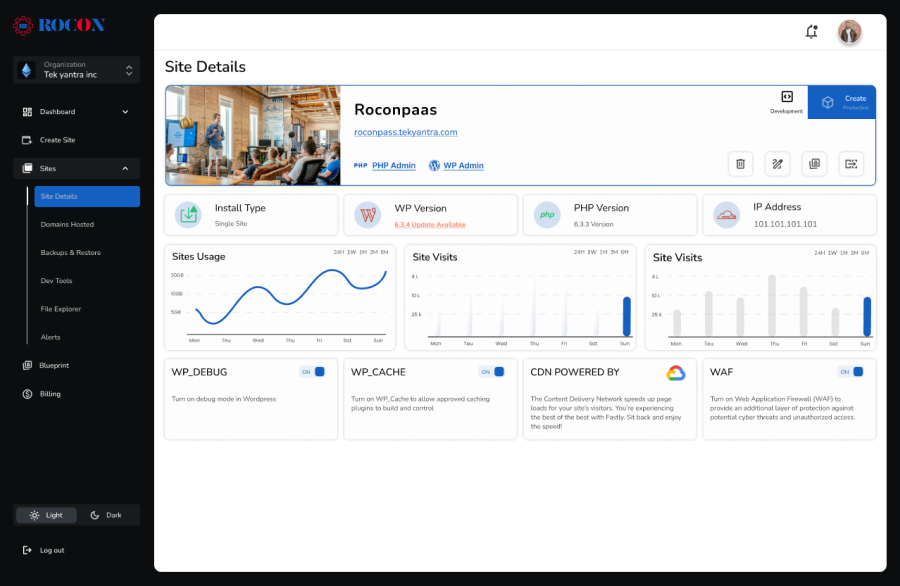
Planning to take your printing business online? Rocon can help you build a professional website without the usual upfront development costs. You can use your site to showcase your products, accept custom orders, and give customers an easy way to get in touch.
For a web-to-print business, make the buying process simple. If customers can personalize products, make sure your product customization tool works smoothly and is easy to use. Add trusted payment options, clear product details, and straightforward checkout so customers know exactly what they’re ordering.
Before launching, test everything from product selection and customization to payments, order confirmations, and contact forms. A smooth website experience can make a big difference in turning visitors into paying customers.
Once your store is ready, start promoting it through social media, local marketing, search, email, and other channels where your customers spend time. Keep adding new products, sharing your work, and collecting customer feedback to improve your store.
Good customer support matters, too. Answer questions quickly, communicate order timelines clearly, and make it easy for customers to get help when they need it.
With Rocon’s free website development and hosting, you can get your printing business online without dealing with the technical side yourself.
Ready to take your printing business online? Get started with Rocon and build your professional website today.
Starting a small printing business can be a practical way to turn your creativity into income without taking on a huge upfront investment. You can begin with a few products, work from home, and expand your services as your customer base grows.
Focus on one niche, understand what your customers actually want, price your work properly, and promote your business consistently. You don’t need to have everything ready on day one. Start small, learn from each order, and reinvest in the areas that help you grow.
Your website can also make a big difference by giving customers a place to see your products, request quotes, and place orders. Rocon provides hosting and free website development, helping small businesses get online without the usual upfront development cost.
Ready to put your printing business online? Get started with Rocon and build your professional website today.
You can start with a few hundred dollars if you begin with basic equipment and a small product range. Your actual startup cost will depend on the printing method, equipment, materials, and workspace you choose.
Yes. Many small printing businesses start from a home office or spare room. You’ll need enough space for your equipment, supplies, finished orders, and proper ventilation where required.
Custom T-shirts, stickers, signage, promotional products, invitations, and business materials can all be profitable. The best choice depends on local demand, your costs, and the customers you want to serve.
Absolutely. You can start with individual orders and expand into bulk orders, corporate printing, event merchandise, or specialized services as demand increases.
You can sell through your own website, social media, local events, marketplaces, and direct relationships with businesses. Having your own website gives you more control over your brand and customer experience.
Profitability varies widely based on your products, pricing, equipment costs, order volume, and operating expenses. Custom and B2B orders can offer good opportunities, but it’s important to calculate your actual costs before setting prices.

Elevate your WordPress hosting with 30-day money-back guarantee, free migration, and 24/7 support.
Sign Up Today
Before You Go… Get 1 Month FREE on Rocon Hosting!

Experience lightning-fast speeds

No downtime or hidden fees

Dedicated 24/7 expert support

Leave a Reply