How to Add an Internal Link in WordPress: Complete Guide
July 29, 2026 Written by Maria


July 29, 2026 Written by Maria
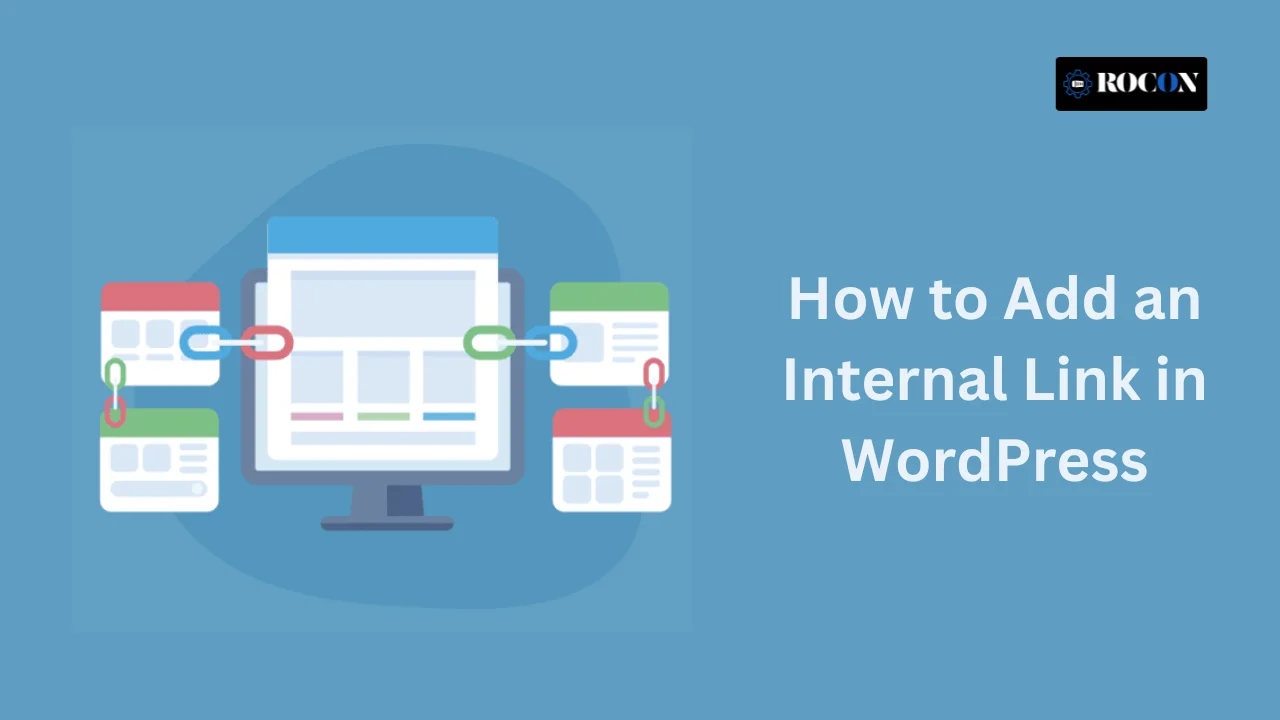


If you are wondering how to add an internal link in WordPress, you are already thinking in the right direction for improving your website. Many site owners spend hours creating high-quality content, but overlook one simple strategy that can dramatically improve results, and that is internal linking.
Internal links quietly power your website behind the scenes. They guide your visitors to related content, keep them exploring longer, and help search engines understand how your pages connect. When done correctly, internal linking does not just improve navigation; it strengthens your entire SEO foundation.
Think of it as building a clear pathway through your content. Instead of leaving readers at a dead end, you lead them to helpful, relevant information that answers their next question. At the same time, search engines can crawl your site more efficiently and recognize which pages matter most.
But internal linking is not just about adding random links. Strategy matters. The way you structure links, choose anchor text, and connect related topics can directly impact your rankings and user experience.
In this guide, you will learn exactly how to add an internal link in WordPress the right way and how to use it strategically to boost engagement, improve SEO, and build a stronger, smarter website.
Internal links are part of the website structure and have a big impact on how search engines crawl and index your site. But what are they? Simply put, internal links connect different pages or posts on the same website. External links go to other websites, internal links go within your digital domain.
Internal links work like maps for SEO. They use these links to find new content, map your website structure, and assess the importance of different pages. Many website owners don’t realize that a well-structured internal linking strategy can improve SEO in ways they never thought possible.
Here’s an example: according to an Ahrefs study, pages with more internal links perform better in search results. They found that Google’s #1 ranking page has 168% more internal links than pages #2-#10. That’s a big difference that can impact your SEO.
It’s not just about search engines – internal links are also good for user experience. They help visitors navigate through your content, explore more, and spend more time on your site. This increased engagement can lead to lower bounce rates and higher conversion rates.
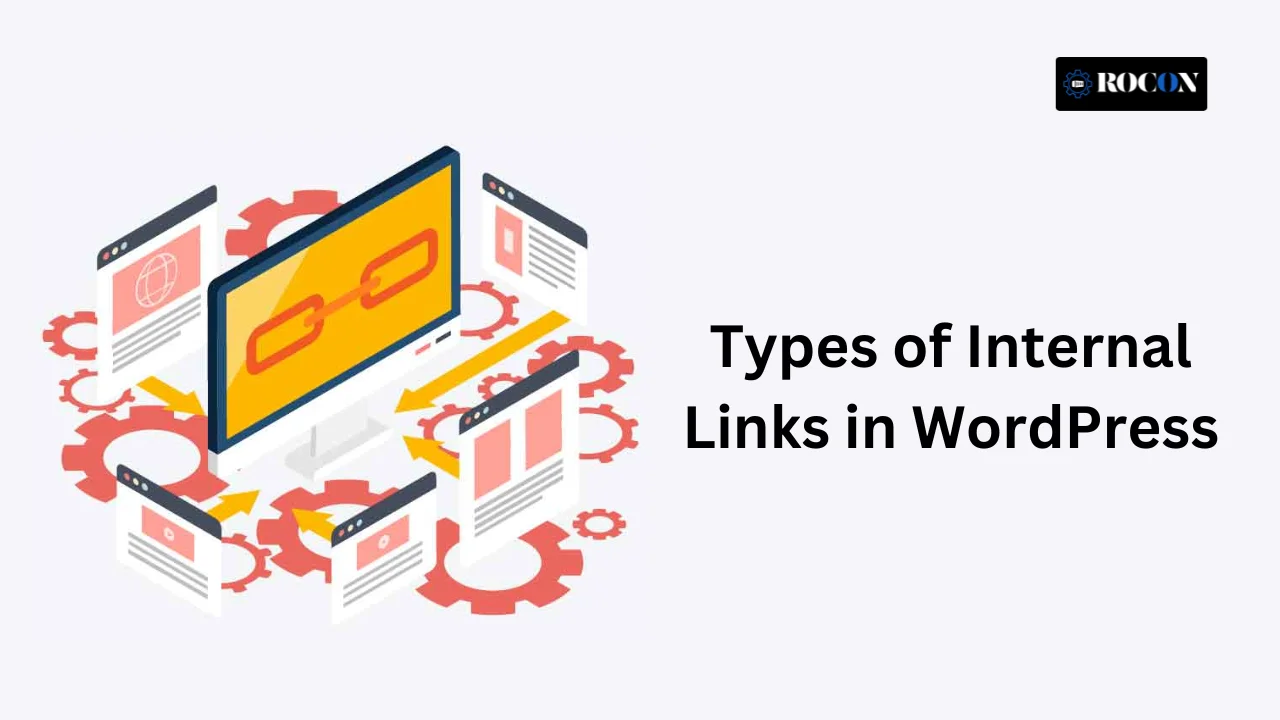
Understanding the types of internal links will help you create a better linking strategy:
Navigational Links: These are the main roads of your site. Your main menu, footer links, and breadcrumbs.
Contextual Links: These are links within your content that link to related pages or posts.For SEO and user experience, extra context to your content.
Sidebar and Widget Links: To highlight popular content, recent posts or specific categories. To draw attention to important parts of your site.
Taxonomical Links: Category and tag pagesOrganize your content. Essential for a content hierarchy.
Check out this Moz guide for examples of internal linking structures in action. They show you how other top sites are using these types of links.
Implementing a solid internal linking strategy gives you these benefits for your WordPress site:
Better Site Structure: Internal links create a clear hierarchy so search engines can understand your site’s architecture.
Better User Experience: By guiding users to related content you keep them engaged and reduce bounce rates.
Link Equity Distribution: Internal links help distribute PageRank throughout your site and boost the SEO value of deeper pages.
More Page Views: Well-placed internal links encourage users to explore more of your content and increase overall page views and time on site.
Backlinko has several case studies showing internal linking strategies that have generated huge traffic. One site saw a 40% increase in organic traffic just by optimizing its internal linking!
Boost speed, reliability, and security with Rocon WordPress Hosting. Start your journey with the best hosting plan now!
Internal links and backlinks serve different purposes in SEO and website optimisation.
Internal links link one page of your website to another, guiding users and search engines around your site. They help user experience by linking to related content, increasing engagement, and reducing bounce rates. From an SEO perspective, internal links help search engines understand your site structure and distribute link equity (or “link juice”) across your pages, helping to boost less-visited or new content.
Backlinks are links from other websites that link to your site. They are endorsements, telling search engines your content is valuable and authoritative. High-quality backlinks from reputable sites boost domain authority and organic rankings. However getting backlinks requires effort, such as creating shareable content or guest blogging.
Internal links rely on your control to optimize your site structure, backlinks rely on external validation. Together they form a complete SEO strategy: internal links optimize your site from the inside, and backlinks boost your site from the outside. Balancing the two results in long-term success in terms of traffic and rankings.
Here’s how to add internal links in the Gutenberg editor:
If you’re using the Classic Editor, here’s how:
Note: The Classic Editor may be deprecated in future WordPress versions. Consider switching to Gutenberg for long-term compatibility and more features. More info on the Classic Editor and its future: WordPress documentation on Classic Editor
For more control, you can add links using HTML:
This is handy for adding custom properties to links or working with more sophisticated page architectures.
W3Schools provides a comprehensive HTML linking cheat sheet, which includes advanced properties and best practices.
To make the most of your internal links:
Common mistakes to avoid:
Managed hosting can help with all of these by providing site analysis and performance tools. Automated link checking and performance monitoring. Find out how Rocon can help your WordPress site.
Internal linking is vital for a successful WordPress website. It is about offering a seamless user experience for both users and search engines. Follow these rules to improve your SEO, user engagement, and overall content strategy.
Remember that internal linking is a continuous activity. Review and update your links on a regular basis to ensure that they are still current and useful. With optimized hosting, you can ensure that your internal linking works optimally, with fast page loads and excellent security.
3–5 per 1000 words. Quality and relevance are more important than quantity.
Yes, strong internal linking enhances site structure, spreads link equity, and assists search engines in determining your content hierarchy.
No, unless you’re linking to pages that you don’t want search engines to find, such login sites.
Three to six months, if not more, for big, often updated websites.
Yes, but exercise caution. As long as they are pertinent and helpful to the reader, several links pointing to the same page are OK.

Elevate your WordPress hosting with 30-day money-back guarantee, free migration, and 24/7 support.
Sign Up Today
Before You Go… Get 1 Month FREE on Rocon Hosting!

Experience lightning-fast speeds

No downtime or hidden fees

Dedicated 24/7 expert support

Leave a Reply